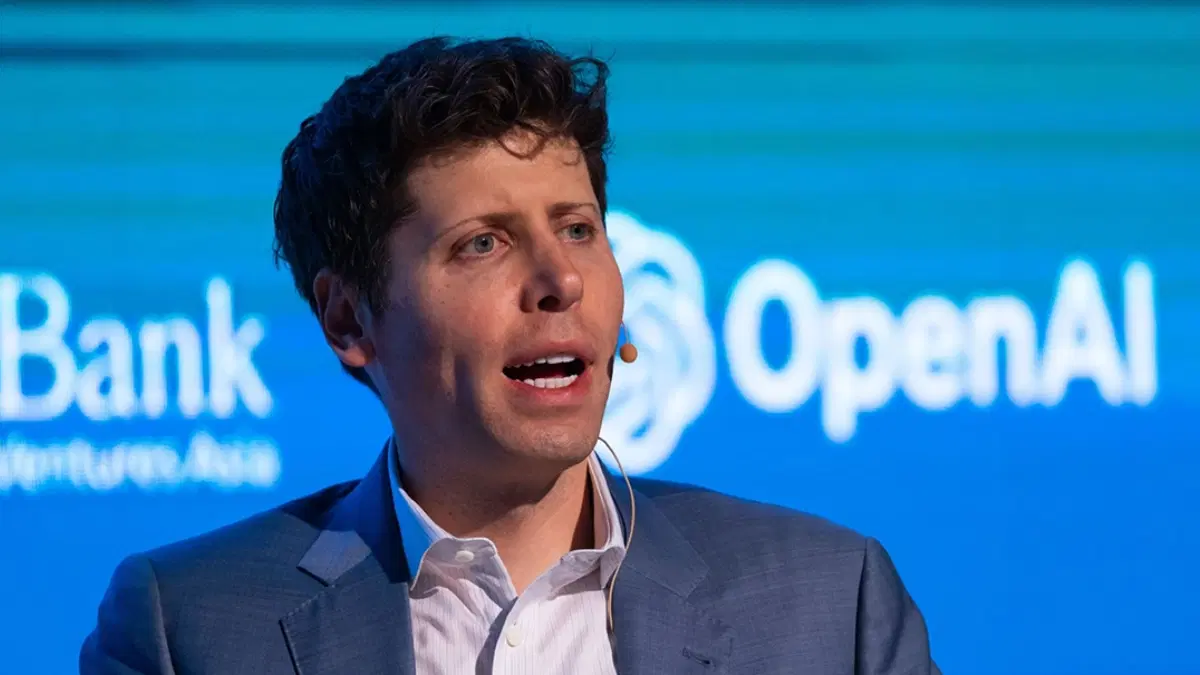
On Thursday, August 7, 2025, OpenAI released GPT-5, the latest iteration of its ChatGPT platform, describing it as a “generally intelligent” model with significant advancements in coding, writing, healthcare, and other domains, available free to all 700 million weekly users, with premium tiers (Plus, Pro) offering enhanced capabilities, per CNBC and Reuters. CEO Sam Altman, in a press briefing, likened GPT-5’s expertise to a “PhD-level expert,” a leap from GPT-4’s “college student” level, though he cautioned it lacks continuous learning, a key feature for artificial general intelligence (AGI). GPT-5 integrates chain-of-thought reasoning from models like o1 and o3, reducing hallucinations and enabling “vibe-coding” for instant software creation, such as French-learning apps, demonstrated during a livestream (Washington Post).
The release intensifies the global AI race, with competitors like Google, Meta, Amazon, Microsoft, and xAI’s Grok (touted by Elon Musk as superior on X, August 7, 2025) investing billions in AI infrastructure. Chinese startup DeepSeek’s cost-efficient model earlier in 2025 challenged industry norms, per Reuters. OpenAI also introduced two open-weight models to counter rivals’ open-source offerings, amid pressure to align with its nonprofit roots (Washington Post). Safety lead Alex Beutel emphasized GPT-5’s training for honesty and “safe completions” to minimize harmful outputs, backed by 5,000 hours of safety testing (CNBC). Industry analyst Simon Willison noted GPT-5’s competence without dramatic leaps over rivals, while Meta’s Mark Zuckerberg predicted superintelligence as a transformative era (Reuters). X posts from @OpenAI (August 7, 2025) highlighted new chat personalities (Cynic, Robot, Listener, Nerd) and coding prowess, though @bernieblume (July 30, 2025) flagged earlier model quirks, reflecting ongoing refinement challenges.
Leave a Reply